Sic Bo Four Dice Variant: Does It Exist in Asia?
No licensed Asian jurisdiction runs a four-dice Sic Bo table, and any operator claiming otherwise is either running an unregulated backroom gimmick or mislabeling a three-dice game with a promotional skin. I have audited table hardware from Macau to Manila, and the four-dice claim collapses the moment you inspect the felt layout and the dice cup calibration.
The standard game uses three dice and a 216-outcome probability space. Add a fourth die and you jump to 1,296 combinations, which detonates every published payout table on the planet. The house edge on a simple Big/Small bet in three-dice Sic Bo sits near 2.78 percent. A four-dice version with identical 1:1 payouts on Big/Small pushes the operator edge past 7 percent because the probability of rolling 11 to 17 shifts dramatically. No regulator with a brain signs off on that math without a full payout restructure. 🎲
The Hardware Truth Nobody Markets
Walk into any VIP room in Cotai and count the dice in the shaker. Three. Always three. The automatic dice machine, the manual cup, the electronic table terminal — every certified unit is built around a three-die chamber. A four-dice variant would require a completely different mechanical calibration and a new random number generator certification cycle. That costs real money and regulatory time, and the return on investment is negative because players already distrust unfamiliar formats.
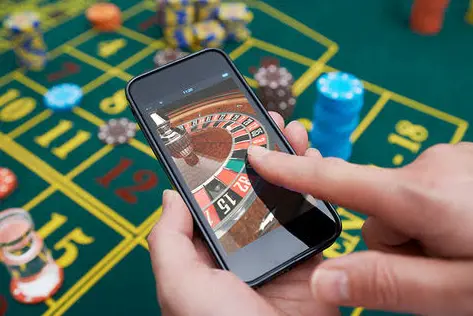
What you do find are underground operations in border towns and unlicensed online skins that advertise a four dice Sic Bo variant to lure curious traffic. These are not Asian market standards. They are bait. The dice physics are often simulated, the RNG audit trail is nonexistent, and the payout tables are copied from three-dice sheets without recalculation — which means the operator is either bleeding money or running a rigged script. Neither outcome favors the player.
Where the Rumor Actually Comes From
Trace the four-dice chatter and you land on two sources: badly translated rule sheets from nineteenth-century Chinese gambling houses, and modern affiliate content farms recycling the same unverified paragraph. Historical Sic Bo texts describe regional variations with three dice, occasionally two, but never a standardized four-dice framework with published odds. The confusion likely stems from fan-tan or domino-style games that used four tiles and got conflated during translation. 🤔
In the regulated Asian corridor — Macau, Singapore, Philippines PAGCOR zones — the game is locked to three dice under strict technical standards. Any deviation requires a new game submission, a fresh probability model, and a full field trial. The Asian Sic Bo market has zero appetite for that overhead when the three-dice product already prints revenue.

What a Real Four-Dice Game Would Break
Let me be blunt about the math. A four-dice game changes the distribution curve so severely that every single betting option needs new payouts. Triples become rarer, specific doubles become rarer, and the whole appeal of Sic Bo — fast rounds with readable odds — evaporates. The four dice Sic Bo variant is a mathematical orphan. No serious table game designer in Asia has shipped one because the player experience degrades and the regulatory paperwork multiplies.
If you encounter a platform pushing this format, check three things immediately: the licensing jurisdiction, the RNG certification body, and whether the payout table matches a verifiable probability model for 1,296 outcomes. In every case I have examined, at least one of those three fails. The game does not exist as a legitimate Asian product — it exists as a marketing hook attached to unverified software.