OFAC Compliance and USA Ethereum Casino Block Builder Censorship
Block builders on Ethereum are quietly deciding which transactions live and which die, and the trigger is a Treasury sanctions list that was never designed for programmable settlement layers. When the Office of Foreign Assets Control slapped Tornado Cash with a sanctions designation in August 2022, the real shockwave wasn't the mixer itself — it was watching compliant relays and builders begin filtering entire address clusters out of proposed blocks within days. For anyone running a USA-facing Ethereum casino, that filtering is an existential operational variable, not a philosophical debate. Your withdrawal transaction either lands in a block or it doesn't, and the builder deciding that outcome is now an unregulated chokepoint sitting between your treasury wallet and finality.
The Builder Layer Became the Enforcement Layer
Here's the mechanism nobody in the compliance department wants to explain to the board: post-Merge, over 80% of blocks flow through a handful of dominant builders using MEV-Boost relays. Those builders run transaction screening pipelines against OFAC's Specially Designated Nationals list before assembling a payload. If your casino's hot wallet or a customer's deposit address ever touched a flagged contract, the builder simply excludes it. No error message, no rejection notice — the transaction just sits in the mempool until it ages out or gets picked up by a minority non-censoring builder. This is OFAC compliance enforced through economic gravity rather than statute, and it's brutal because it's invisible.
The compliance theater gets even darker. Builders aren't legally obligated to censor — the sanctions regime targets persons and entities, not the software. But the legal gray zone around "facilitating" a sanctioned transaction has pushed risk-averse infrastructure providers into over-compliance. You get a cascade effect where a single Treasury action ripples through relays, builders, and eventually the validator set. 🎰 That's the casino angle: the house never gets to see the rules it's playing against.
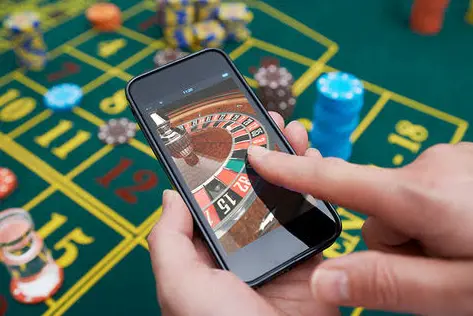
Why Censorship Rates Matter for Casino Settlement Latency
Track the data and the picture gets ugly fast. Censoring builders have consistently produced over 50% of blocks during peak periods, with some relays hitting 60%+ filtered payloads. For a high-frequency casino environment processing thousands of deposit confirmations per hour, a blocked transaction doesn't mean instant failure — it means non-deterministic latency. Your user sees a pending deposit, your risk engine flags an anomaly, and customer support drowns. The block builder censorship problem becomes a customer experience catastrophe measured in abandoned sessions and chargebacks.
Smart operators route around it. They split treasury flows across multiple wallets, avoid sanctioned-adjacent contracts entirely, and maintain direct submission paths to non-censoring builders. Some run their own validators to guarantee at least partial inclusion capability. It's expensive, it's inelegant, and it's the only thing standing between a working cashier and a frozen withdrawal queue. ⚡
Transaction Screening Is a Casino Survival Skill Now
Don't wait for a deposit address to get flagged before you build screening. Pre-validate every inbound address against consolidated sanctions lists, maintain a clean-wallet policy for operational funds, and monitor which builders are actually including your transactions versus silently dropping them. The USA Ethereum casino operators who survive the next compliance wave will be the ones treating block inclusion as a monitored SLA with fallback routing, not an assumption. Builder censorship isn't coming — it's already here, and it's deciding your block space one filtered payload at a time.